Kochi Metro serves as a model for sustainable urban transit, transitioning from a construction-intensive development to a long-term eco-friendly system aligning with India’s net-zero goals.
1. Construction Phase Impacts
Air & Noise
Temporary increases in PM2.5 and PM10 due to excavation. Noise barriers and phased construction were used to minimize stress for local residents.
Land & Ecology
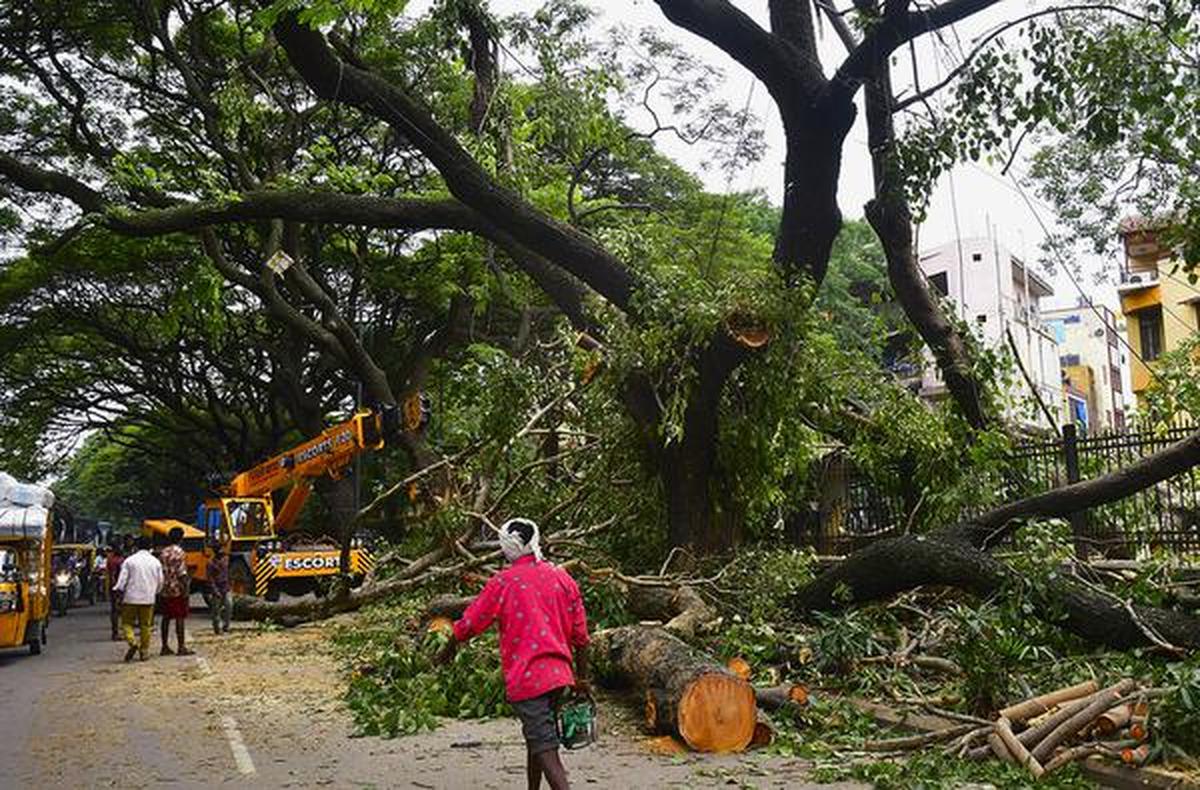
~477 trees cleared with no forest impact. Soil spoil was managed via controlled disposal to prevent water contamination.
2. Operational Benefits
Energy Efficiency: Solar panels (10.58 MWp) and regenerative braking recycle kinetic energy, drastically lowering electricity demand.
Integrated Sustainable Transport
The Kochi Water Metro utilizes hybrid battery-operated boats, reducing carbon emissions by 8,578 metric tons annually. Combined with 40km of cycling lanes and 35km of pedestrian paths, KMRL promotes a zero-emission "First/Last Mile" ecosystem.
Strategic Summary
Positive Outcomes
- Modal shift from private vehicles (50% to 35%)
- Enhanced urban livability and reduced accident rates
- Compact Transit-Oriented Development (TOD)
Mitigation Strategy
- Controlled spoil management
- Avoidance of archaeological and forest sites
- Rainwater harvesting at all major depots