Engineering drawings in metro systems are detailed technical documents that visually represent the design, layout, and specifications necessary for constructing, operating, and maintaining metro infrastructure.
Purpose of Engineering Drawings
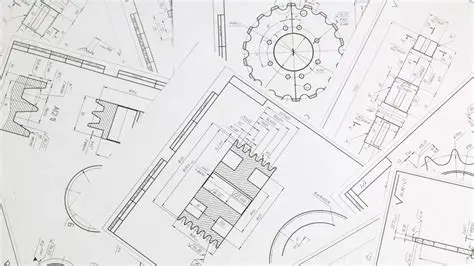
Engineering drawings serve as the foundation for communication among engineers, architects, contractors, and operators. They convey precise measurements, materials, structural designs, system layouts, and installation details, ensuring that every aspect of the metro project is implemented as intended.
Types of Metro Engineering Drawings
Civil Drawings
Plans for tunnels, elevated viaducts, stations, retaining walls, and foundations. Critical for construction site layouts.
Structural Drawings
Focused on load-bearing elements like beams, columns, and platforms. Provides specs for reinforcement and sequencing.
Architectural Drawings
Illustrate station aesthetics, passenger flow, entry/exit points, and concourse layouts to ensure functional designs.
Electrical Drawings
Layouts for power supply, lighting, signal systems, and traction systems, ensuring safe operations.
Mechanical Drawings
Cover ventilation, escalators, elevators, fire-fighting installations, and HVAC specifications.
Signaling & Telecom
Details for track signaling, interlocking systems, train control, surveillance, and announcement systems.