Importance of Metro Maintenance
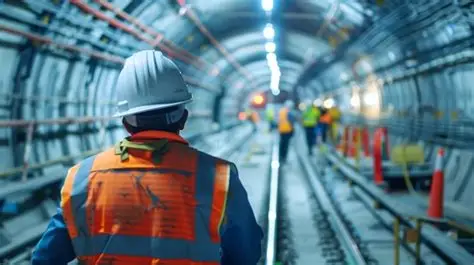
Maintenance in metro systems is crucial to guarantee passenger safety, minimize breakdowns, and extend the lifespan of infrastructure and rolling stock. Proper maintenance reduces downtime and overall life-cycle costs compared to replacing failed equipment. Well-executed programs improve reliability and passenger comfort while ensuring compliance with safety and regulatory standards.
Maintenance Strategies
Metro maintenance is generally classified into four main methodologies to ensure 100% operational readiness.
Preventive
Routine inspections, cleaning, and lubrication performed on a set schedule to prevent failures.
Corrective
Repair or replacement of equipment after detecting a fault or failure to restore service.
Predictive
Using sensors and data analytics to forecast failures before they occur for timely intervention.
Condition-Based
Maintenance triggered by real-time continuous monitoring of asset health and performance.
Technological Advancements
AI & IoT Integration
AI-powered systems analyze sensor data from tracks and trains to anticipate failures and optimize schedules. Deep reinforcement learning dynamicallly adjusts operations based on real-time conditions.
CMMS & Asset Management
Systems like IBM Maximo or CARL Source track asset conditions, generate automated work orders, and maintain accurate records to reduce manual paperwork and human error.